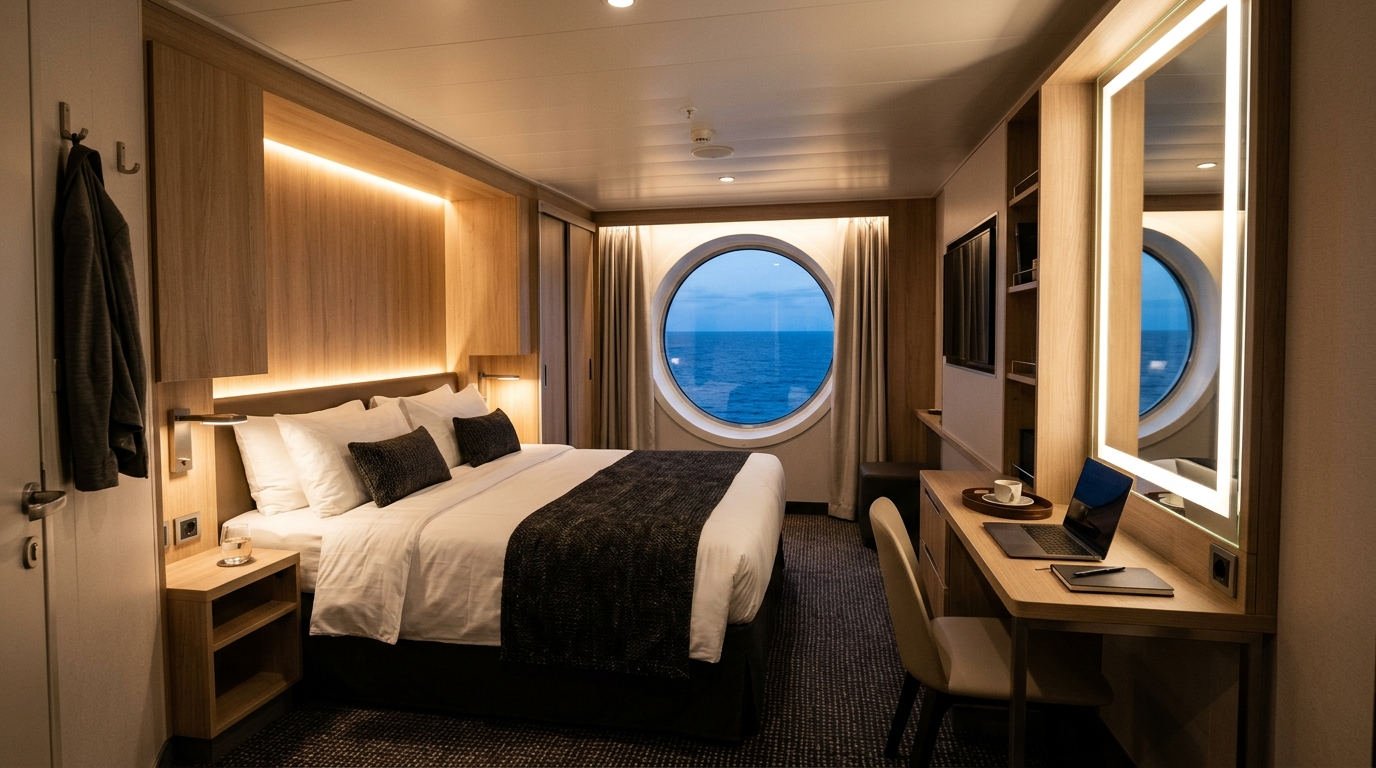
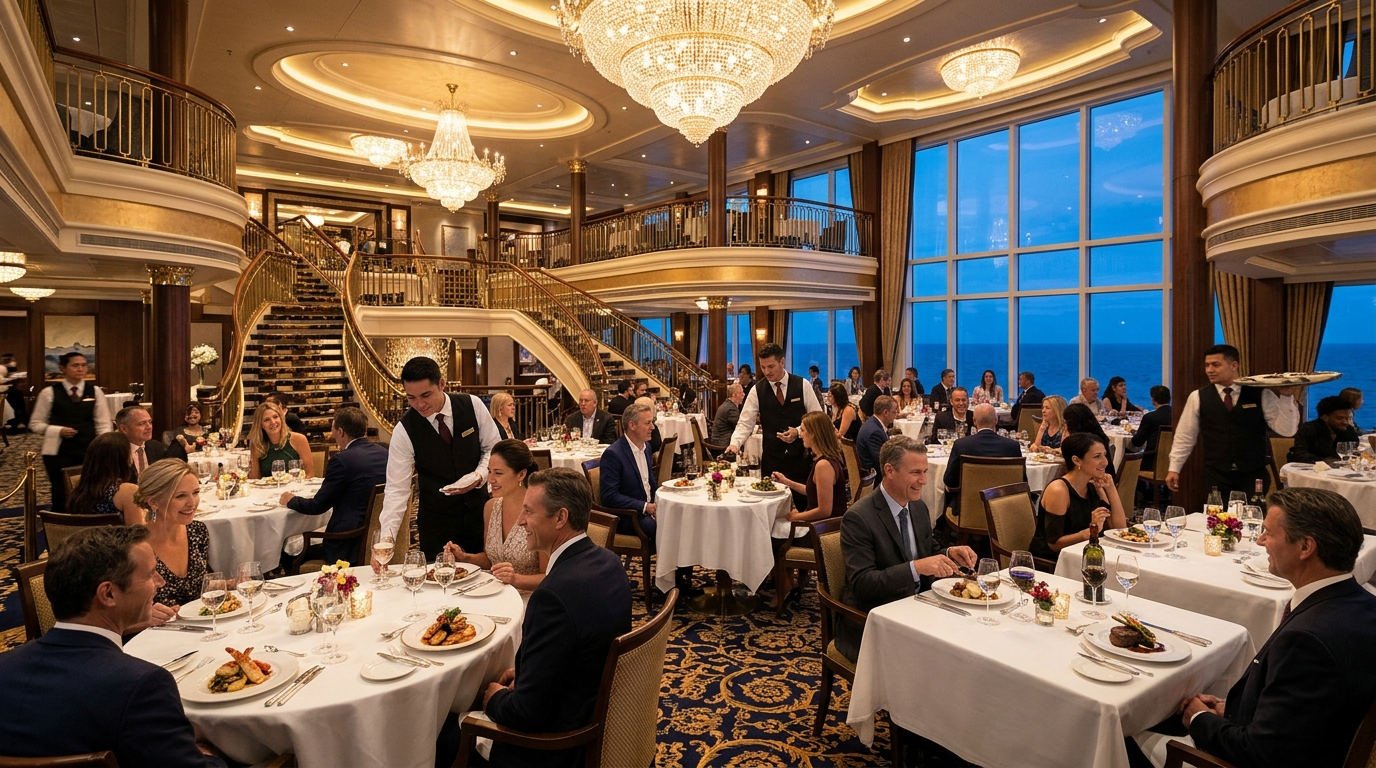
The price gap between a mainstream cruise and a luxury sailing can appear enormous until you compare what guests actually pay for. A lower fare may leave drinks, gratuities, specialty meals, and excursions outside the package; a higher one may include several of them. Yet luxury is not simply a bundle of free extras. It also involves ship size, space, service, dining, and the atmosphere you prefer.
Start with the ticket's real contents
On many mainstream cruises, the base fare covers the cabin, transportation between ports, meals in designated venues, and a range of entertainment. It does not necessarily cover alcoholic drinks, specialty restaurants, premium coffees, internet, daily service charges, shore excursions, or transportation to the ship. Some lines offer packages that add selected benefits.
Luxury cruise fares may include a wider selection of drinks, gratuities, dining, laundry, or excursions, depending on the company and fare tier. There is no universal luxury standard. One brand may include shore tours but charge for premium experiences; another may include beverages yet exclude certain wines or spa services.
Before deciding anything, read the inclusions for your exact sailing and fare. A brochure headline can conceal restrictions. “Included excursions” might refer to selected tours with limited capacity, and “all-inclusive” may still leave airfare, insurance, visas, and certain onboard purchases outside the fare.
A cost comparison that reflects your habits
Imagine two seven-night cruises. One is available at a lower base fare but charges separately for drinks, Wi-Fi, tips, and several dinners you expect to enjoy. The other begins at a much higher price but includes some of those services. The proper comparison is the total you are likely to spend, not the advertised starting number.
Build a budget with separate lines for cabin fare, taxes and port expenses, gratuities, drinks, specialty meals, internet, excursions, spa spending, flights, transfers, and insurance. Use the actual current prices provided by each operator instead of relying on an assumed daily amount. Check whether a package is per person and whether all adults in the cabin must purchase it.
A wider shortlist becomes easier when you understand how to compare cruise lines for a first trip before judging any single fare.
Do not treat an included benefit as a saving unless you would otherwise have bought it. Unlimited drinks have little value to a guest who rarely orders anything beyond water and tea. A luxury package with included tours may be highly appealing to one traveler and less relevant to someone planning independent walks ashore.
Space and passenger count shape the premium
Many luxury ships carry fewer guests and emphasize generous public areas and personalized service. That can create a quieter rhythm, with shorter distances and more opportunities for familiar interactions. But some large mainstream ships also offer premium suite enclaves, private restaurants, and restricted-access retreats that deliver elements of a luxury experience.
A small ship does not guarantee a spacious cabin, and a high fare does not mean every venue will suit your taste. Compare cabin measurements, balcony arrangements, lounge access, and dining choices. An older luxury vessel may have a different physical layout from a new premium ship even when the onboard service is excellent.
The social atmosphere is important. Some guests enjoy formal evenings, attentive staff, and leisurely meals. Others prefer the freedom to dress casually, eat on impulse, and choose from lively venues. Paying for a level of service you do not particularly enjoy can make a cruise feel less comfortable rather than more.
Dining is where the difference becomes tangible
Mainstream vessels may offer an extensive mix of included and extra-cost restaurants, from buffets to specialty venues. Luxury lines may include more restaurants within the fare, with smaller dining rooms and a slower pace. Neither guarantees that a specific meal will match your palate; the question is how much choice and planning you want.
If you love specialty dining, research whether restaurants are included, whether reservations are needed, and whether repeat visits are allowed. On a mainstream ship, a paid dining package could be a good compromise. On a luxury vessel, highly sought-after venues may still require early reservations despite being included.
Dietary accommodation should be evaluated through the actual operator's current procedures. A premium price does not remove the need to inform the ship about allergies, and an economical line can sometimes offer very good support when requests are properly documented.
Shore experiences: included does not mean identical
Luxury operators sometimes bundle selected excursions or offer destination-focused activities. Mainstream lines generally sell tours separately, although packages and promotions may be available. Compare the quality and suitability of the actual excursions: group size, transportation, mobility requirements, duration, entrance fees, meals, and time available independently.
A free tour with a large group and several shopping stops might be less appealing than a thoughtfully planned independent visit. Conversely, included guided access to a remote location can be a substantial benefit. Check whether reservations open in advance and whether popular tours fill quickly.
Ship size can affect port choice. Certain smaller vessels access harbors unavailable to very large ships, but access depends on draft, berth availability, local restrictions, and weather. A mainstream itinerary with better port hours may provide more rewarding destination time than a luxury route with shorter calls.
Gratuities, drinks and internet are common surprises
Daily service charges are handled differently by cruise brands and sometimes by fare type. Some are included; some appear automatically on the onboard account; some can be prepaid. Additional gratuities may be added to beverages or specialty services. Do not assume one universal tipping custom or percentage.
Drink packages can also vary in their limits and exclusions. Check whether bottled water, premium coffee, alcohol, specialty beverages, and minibar items are included, and whether package restrictions apply at private destinations or during certain operating conditions.
Internet is similarly inconsistent. A bundled Wi-Fi allowance may permit messages and ordinary browsing but limit streaming or simultaneous devices. Satellite connectivity can vary by route and conditions, regardless of fare level. The correct question is whether the package supports your use, not whether the brochure includes the word “Wi-Fi.”
Dress codes and social expectations
Luxury does not always mean formal, just as mainstream does not always mean casual. Some operators emphasize elegant evenings; others market relaxed, contemporary luxury. The specific dress policy, restaurant requirements, and event schedule matter more than the brand category.
If a group includes several generations or travelers who dislike dressing up, find out where casual dining remains available on themed evenings. If you enjoy the ritual of a formal dinner, look for ships that still deliver it. The right atmosphere is one in which you can relax rather than constantly adjust your behavior.
Decide what you are actually buying
A luxury fare may buy fewer decisions, a quieter setting, attentive service, and a predictable onboard bill. A mainstream fare may buy extensive entertainment, a broader range of ship sizes, or a lower entry price with the ability to choose extras individually. Both can represent excellent value when matched to your habits.
Compare equivalent dates and routes, itemize the purchases you expect, and inspect the actual cabin and ship. If the luxury premium buys only inclusions you would not use, it may not be worthwhile. If the higher price removes complexity and provides the kind of atmosphere you most enjoy, it may be money well spent.
Translate inclusions into personal value
A luxury fare may include items such as selected beverages, specialty dining, Wi-Fi or gratuities, but those benefits depend on the operator and exact package. The higher cost is not automatically economical for someone who drinks little, rarely uses the internet, and plans to spend most days exploring independently. Conversely, a traveler who would purchase several extras on a mainstream ship might find that the price gap narrows after a complete comparison.
Look beyond included products to how service is delivered. Smaller venues, fewer passengers, and a high staff-to-guest ratio may shape the atmosphere, yet personal preference still matters. Some travelers like the range of entertainment and dining found on large resort ships; others prefer quiet conversation, destination lectures, or less competition for a lounger. These are different experiences, not a simple scale from poor to excellent.
Calculate one week of realistic costs. Start with the actual cabin fare and mandatory port charges, then add expected drinks, dining, connectivity, excursions, service charges and pre- or post-cruise transport. Do not assign a cash value to an included amenity you would never purchase. Also inspect exclusions within ostensibly all-inclusive offers. Premium wine, certain shore experiences, or spa services may still be billed separately.
Finally, consider the destination. A smaller luxury vessel might reach an appealing port or offer a longer stay; a larger mainstream ship might provide the better departure schedule. The important comparison is the voyage you will experience for the total amount you will pay. Higher upfront price can buy convenience or atmosphere, but only you can decide whether that convenience is worth the premium.
Compare what happens when your plans change
Look at the flexibility of dining reservations, cancellation terms and the practical help available if a scheduled excursion changes. A higher fare may come with certain conveniences, but each brand defines its own policies. Travel insurance and the cruise contract still matter even when the fare is described as inclusive.
For a couple with different preferences, a ship with several dining and entertainment choices might offer more freedom than a small luxury vessel with a quieter atmosphere. For travelers who want attentive service and less planning, the opposite may be true. The premium is justified only when the actual onboard experience and inclusions match your priorities.
Compare inclusions line by line
- Price the same sailing length and cabin type rather than comparing headline fares alone.
- Write down drinks, tips, Wi-Fi, excursions and specialty dining that would be extra.
- Check deposit, cancellation and service-charge terms before assigning a value to included perks.