Choosing a first cruise line is less about identifying a universally “best” company and more about finding the daily routine you will enjoy. Two lines may sail the same route, yet offer different approaches to dining, family programming, entertainment, tipping, and what the ticket covers. Compare these practical details before you become attached to the logo or the lowest advertised price.
Decide what sort of vacation you want
Some cruises resemble energetic resorts with multiple pools, scheduled shows, casual food, and a lively atmosphere. Others emphasize quieter lounges, destination lectures, smaller ships, or a more formal dining tradition. A line can operate several types of vessel, so its brand personality is only a starting point.
Make your first shortlist from priorities rather than reviews. If the ports matter most, look for itineraries with long calls and convenient embarkation. If the ship is the attraction, look for recreation, evening entertainment, and places to spend sea days. If you want to decompress, pay attention to music levels, adults-only areas, and quiet indoor seating.
Travel companions may change the decision. Families need age-appropriate activities and appropriate sleeping layouts. Solo guests may care about single-occupancy costs and social opportunities. Couples may prefer flexible meals and peaceful spaces. A line that suits your friend group may not suit a multigenerational family.
Compare equivalent sailings, not isolated prices
A fair comparison starts with two trips of similar length and dates, ideally in the same region. The weather, port sequence, holiday schedule, and number of sea days can influence the experience as much as the cruise line itself. A six-night trip with three full port visits should not be judged against a seven-night sailing with four sea days as though they were identical.
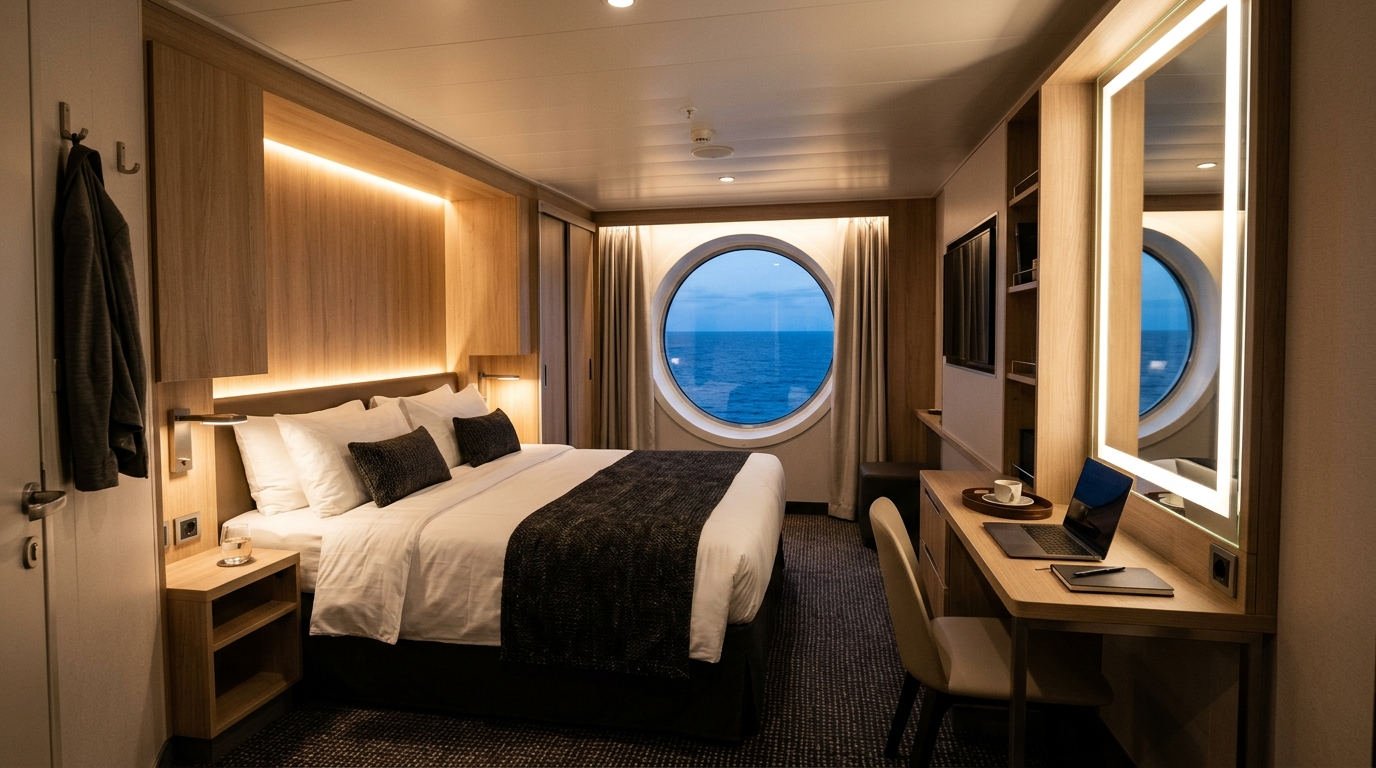
Match cabin categories and occupancy. An inside cabin on one vessel is not the same product as a balcony cabin on another. Check whether the fare includes taxes and port expenses, gratuities, drinks, internet, specialty dining, and onboard credits. Offers that look equally priced may produce very different final bills.
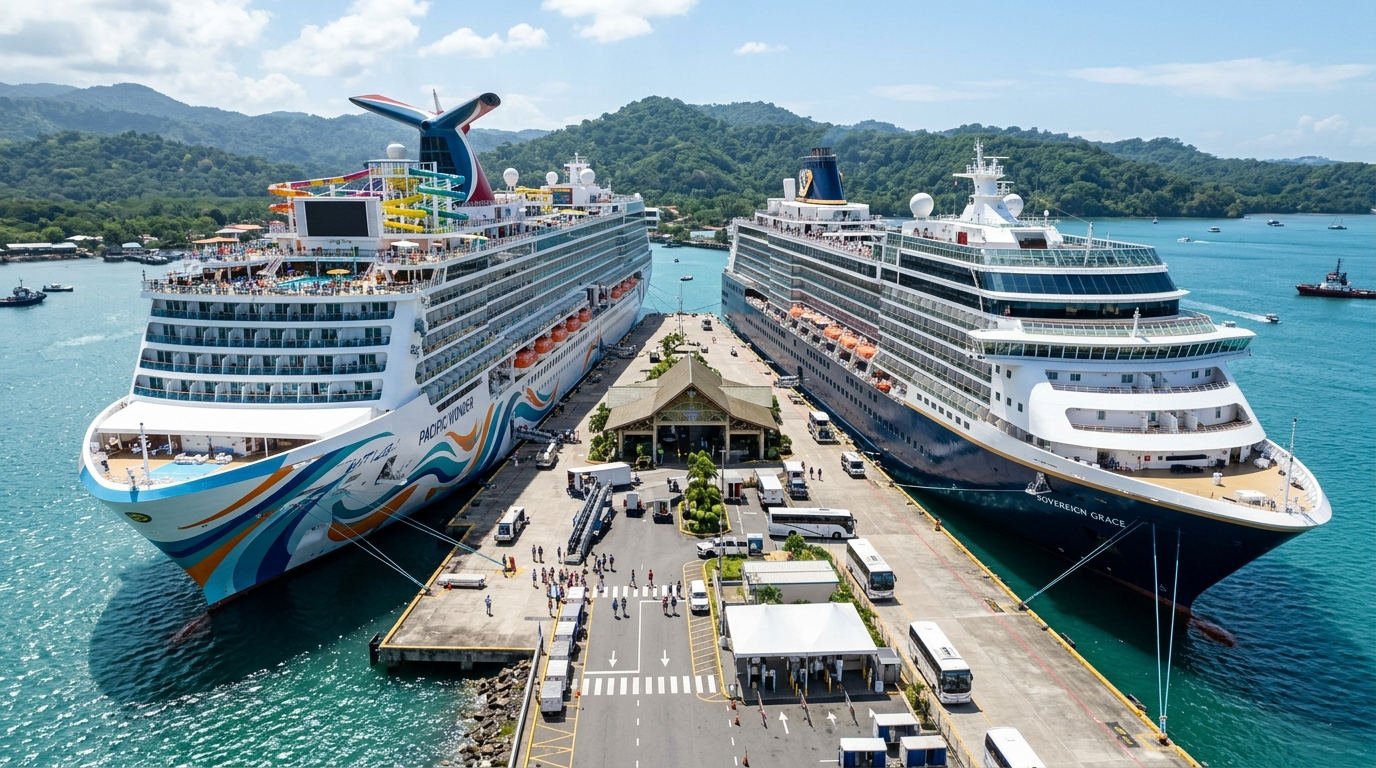
An early point of comparison is what mainstream and luxury fares include, since advertised prices may represent very different packages.
Review cancellation terms, deposit rules, final-payment dates, and whether the cabin is assigned at booking. A flexible fare can be valuable when travel plans may change. Consider the cost of getting to the departure city; an inexpensive cruise with complicated flights may cost more than a more convenient alternative.
What the dining system tells you about the line
Dining is an everyday experience, so its rules deserve more attention than a single glamorous restaurant photograph. Some operators offer assigned meal times and tables; others provide flexible reservations or walk-in dining. There may be open seating in the buffet, quick-service counters, room service, and specialty restaurants at an additional charge.
Ask whether you need reservations, whether casual food is available at late hours, and whether the included options suit your preferences. If you travel with young children or a group that eats at different times, flexibility may matter more than a formal atmosphere. A traveler who loves traditional multi-course dinners might welcome an assigned seating routine.
Food quality is subjective and can vary by ship or sailing. Look for consistent descriptions of service, variety, and dietary accommodation rather than treating a single glowing or negative review as proof. Guests with allergies should obtain current information directly from the line before booking.
Look at the actual ship, not only the fleet
Cruise lines often advertise their newest vessels and most distinctive attractions. The specific sailing you are considering may use a smaller or older ship without those amenities. Check the ship's full name, deck plan, renovation history, cabin types, and current entertainment program.
A family might choose a brand for its waterpark, only to find that the selected vessel offers a different set of pools and children's facilities. A couple attracted by a quiet adults-only retreat should confirm that the space exists on their ship and what access rules apply. Fleet-wide descriptions are not reliable substitutes for a ship-specific inventory.
Think about how much walking is comfortable. Very large ships may offer extensive choices but require longer journeys between cabins and venues. Smaller ships can be simpler to navigate yet have fewer alternative restaurants. Neither is automatically better; match the layout to your party and itinerary.
Entertainment and atmosphere are not minor extras
If you plan to attend shows every evening, find out whether the line uses reservation-based theaters, live music, smaller cabaret-style venues, or large productions. Some sailings have themed activities or extensive late-night programming; others turn quieter after dinner. The atmosphere on a three-night weekend cruise may differ from a longer itinerary on the same vessel.
Consider how the line handles sea days. Are enrichment talks, fitness classes, arts activities, or family programs available? Are the activities included or charged separately? If weather closes the outdoor decks, will you still have places you enjoy? A good choice should satisfy you even on a rainy day.
For families, compare actual youth-program age ranges, operating hours, and registration rules. Babysitting may be limited, extra-cost, or unavailable on some ships. For adults seeking quiet, check whether adult areas are included or part of a paid retreat.
Destinations and port hours can break a tie
Two lines may both advertise an Alaska or Mediterranean cruise while offering very different itineraries. One might spend a full day in a major port; another might have a shorter call or substitute a different harbor. Scenic cruising locations, port arrival times, and tender versus dock arrangements influence how much you can actually see.
If the destination is your main reason to travel, compare the published route in detail. Check transit time from port to the attractions you want. Some ports place you close to the town; others require lengthy transfers. Weather and operational changes can alter any itinerary, so avoid booking a voyage where happiness depends entirely on one fragile excursion plan.
Cruise-line shore tours may offer convenience, but assess their pace, inclusions, mobility requirements, and cancellation terms. Independent exploration can provide flexibility when port logistics allow. The line's approach to communicating port information is another useful measure of service.
Service, inclusions and the cost of convenience
A premium or luxury line may include more drinks, gratuities, specialty dining, or excursions, but inclusion lists vary and should never be assumed. Mainstream lines may offer bundles that cover some extras. Calculate what you would actually purchase rather than assigning a dollar value to benefits you would not use.
Service style may also differ. Some guests prefer attentive formal dining and a predictable routine; others want casual independence. Online descriptions such as “upscale” or “fun” are impressions, not specifications. Read ship-specific, recent accounts and compare them with official policies.
Consider practical customer service before booking. Can the line clearly answer your accessibility question, dietary request, or cabin configuration concern? Is the cancellation policy understandable? Clear documentation at the planning stage is often more valuable than a promotional promise.
Build a shortlist that makes sense
Choose three options that fit your travel dates and budget. Rank each on itinerary, ship amenities, atmosphere, total likely cost, and accommodation suitability. Ask which compromise you are most willing to make. A slightly older ship with better port hours may beat a new vessel with attractions you do not care about.
Avoid trying to find a line that excels at every category. Your first cruise needs to suit your particular group and expectations, not win a theoretical popularity contest. Once you know the everyday experience you want, the choice becomes much clearer—and far more likely to feel right when you step aboard.
Use a first-cruise comparison that captures everyday costs
Imagine two seven-night sailings with similar routes. The first has a lower fare but charges separately for standard Wi-Fi, selected drinks, and gratuities. The second costs more upfront but includes services you would otherwise buy. Comparing fares alone creates a misleading result. List your likely purchases and evaluate the final expected amount, while remembering that packages can have limitations, such as device counts or drink exclusions.
Service style can be as important as the price. Some lines favor flexible dining and a casual atmosphere; others offer more formal evenings, structured meal times, or quiet lounge entertainment. Think about what will feel comfortable after several days, not just on embarkation night. Someone who dislikes reservations may value a simpler dining system more than an additional specialty restaurant.
Cruise-line reputations should be treated as broad clues rather than guarantees. Ships within one fleet can have different age profiles, layouts, facilities, and passengers. A line known for family activities may also operate itineraries with a quieter passenger mix. Before deciding, check the specific ship, dates and sailing length. A school-holiday departure can feel different from one scheduled during a term-time period, regardless of the brand.
For first-time passengers, the most valuable choice may be the one with the fewest unwanted surprises. A convenient embarkation port, a clear payment schedule, dining that suits your preferences, and a cabin in a sensible location can outweigh an eye-catching promotional offer. Learn the rules of the fare you are actually buying, and keep a copy of them for reference.
Build a fair first-cruise comparison
- Choose two comparable itineraries and compare the total fare for the same occupancy.
- List which dining, Wi-Fi, tips and activities are included in each quote.
- Check the specific ship and departure rules; a brand-wide promise may not cover every sailing.