An expedition cruise is usually built around encountering a destination, not around filling a sea day with resort attractions. Voyages may focus on polar waters, remote islands, wildlife, or culturally distinctive coastlines, often using smaller ships and specialist guides. The label alone does not guarantee a particular level of adventure, landing access, or included equipment. You need to understand how each operator actually runs its voyages.
The itinerary may be a plan, not a promise
Traditional cruises generally publish a sequence of port calls. Expedition voyages often retain more flexibility because wildlife, sea ice, winds, surf, and local access rules can affect landings. An expedition leader may alter the day's activities to suit conditions, prioritizing safety and meaningful experiences over a fixed timetable.
That flexibility is a benefit when it allows a rare scenic opportunity, but it requires realistic expectations. Travelers who need to see one specific landmark on an exact date may find expedition cruising frustrating. Ask how the operator communicates itinerary changes and what proportion of activities typically depends on local conditions.
A remote voyage can include days of open-water travel. Some regions involve significant swells or cold temperatures; others are relatively sheltered. Examine the route and season rather than assuming that every expedition ship behaves the same way.
Ship design is part of the experience
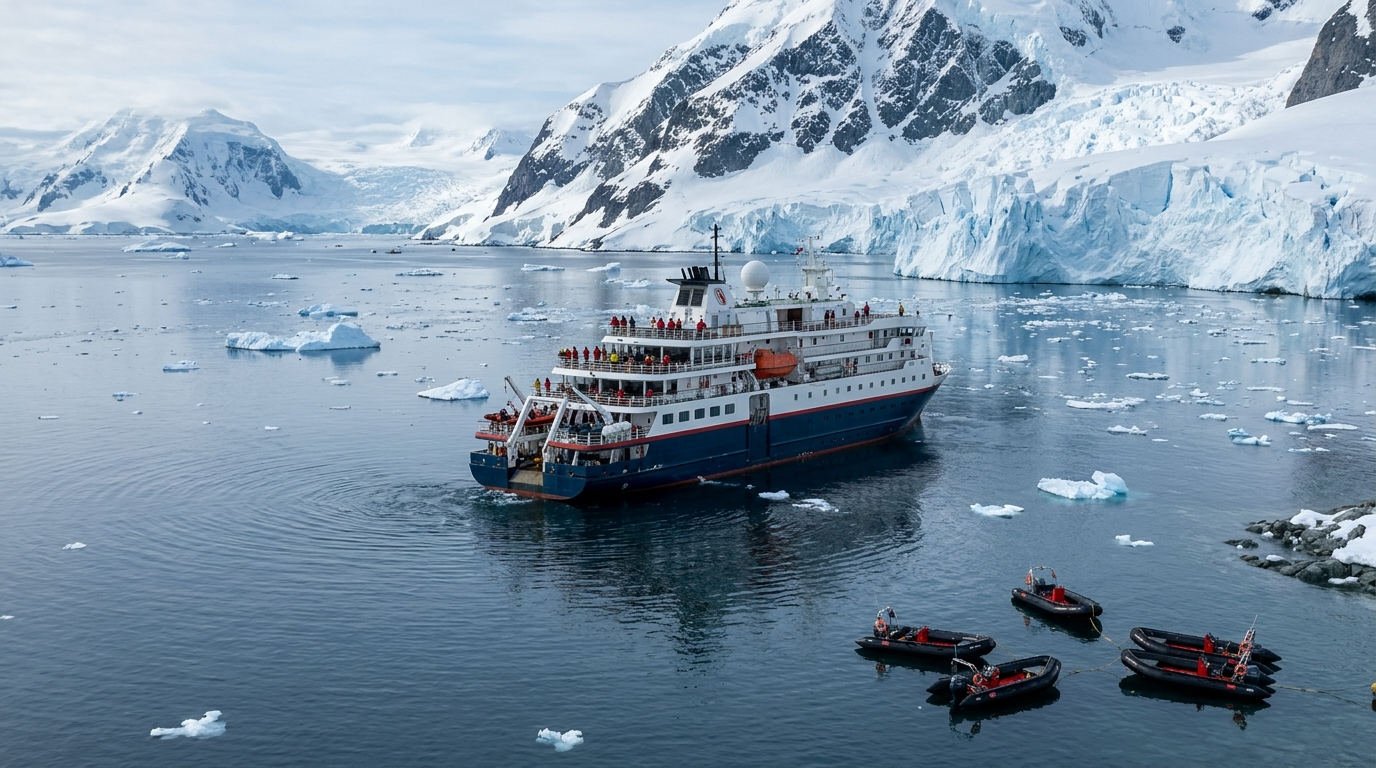
Expedition vessels often prioritize observation decks, mudrooms, equipment storage, briefing spaces, and safe transfer arrangements for shore activities. Some have ice-strengthened hulls or particular technical classifications for operating in challenging waters. Those details should be verified with the operator; a vessel sailing near ice is not necessarily designed to navigate heavy ice.
Passenger count matters because it can influence how people take turns going ashore, subject to local rules and operational limits. A smaller ship may be able to organize a landing with less waiting, but the actual procedures depend on the region, permits, equipment, and staff. Bigger expedition vessels can sometimes provide more extensive indoor facilities, specialist resources, or cabin choice.
If you are unsure where expedition travel fits, begin with how cruise lines differ from one another and then compare the specific vessels and routes.
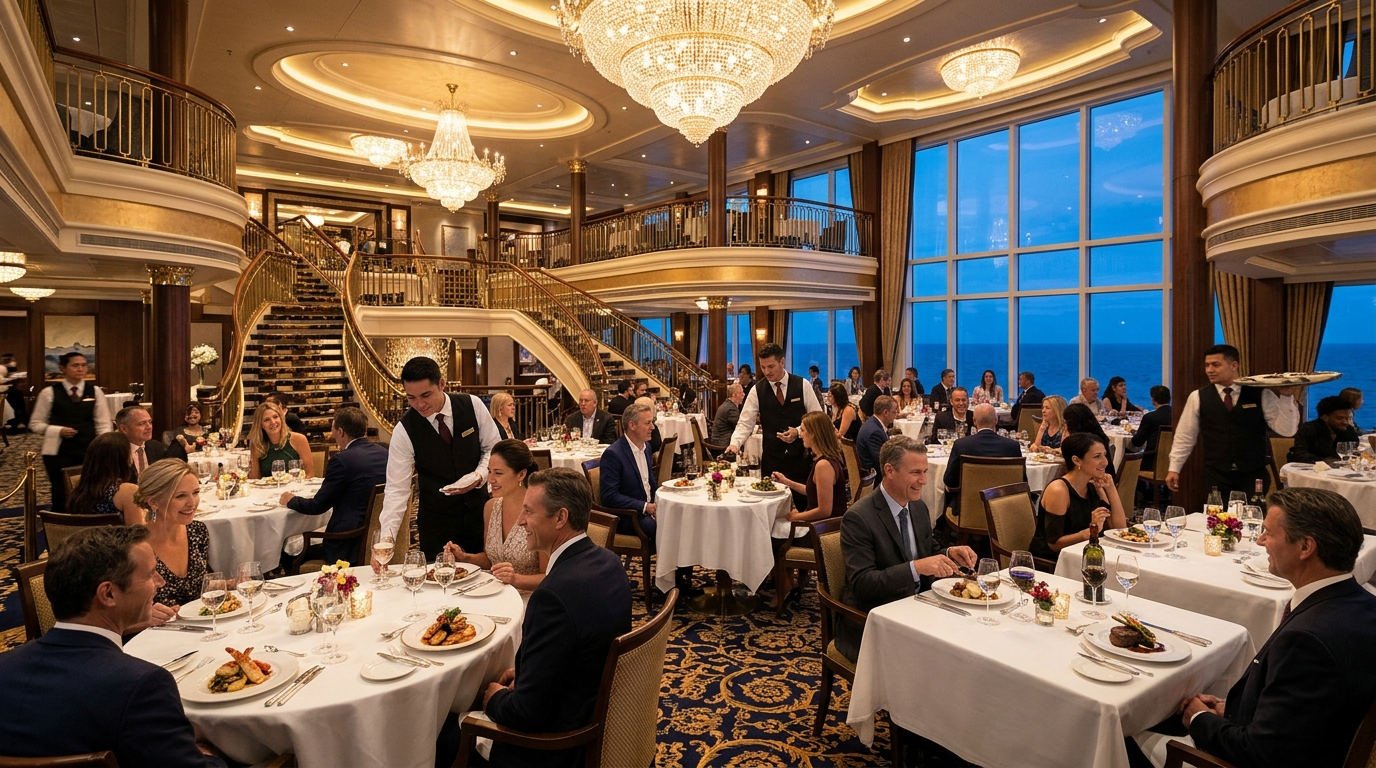
Comfort is not absent from expedition travel. Some operators offer luxurious accommodation, elegant restaurants, and spa facilities. Others keep the vessel more functional and prioritize time outside. Decide whether you want adventure with hotel-style amenities or a simpler ship that emphasizes the field program.
Guides and field activities deserve close attention
An experienced expedition team can turn a landscape into a far richer experience. Naturalists, historians, geologists, photographers, and regional specialists may provide briefings and interpret what you see. Their qualifications, languages, number, and roles differ by operator and departure.
Ask what happens on a typical excursion day. Are passengers offered Zodiac-style boat rides, guided walks, kayaking, snorkeling, or landings? Which activities are included, which carry extra charges, and which are limited by age, fitness, or skill? A voyage advertising kayaking may have only a small number of places on each departure.
Field experiences can depend on passenger participation and weather. A boat cruise through a bay is not the same as stepping ashore for a guided hike. Understand the likely balance, and avoid treating promotional images of wildlife encounters as an itinerary guarantee.
Landing procedures can determine suitability
Remote excursions may require climbing into a small boat, moving from a vessel to a wet beach, or walking on uneven ground. Operators often provide assistance within their protocols, but some activities have firm mobility or safety limitations. Confirm requirements before booking, particularly if you cannot make an independent transfer or need a mobility device.
Cold-weather landings may require waterproof boots, protective outerwear, or other equipment. Some lines loan or provide certain items while others expect guests to bring them. Ask about sizing, cleaning procedures, luggage limits, and what happens if issued equipment does not fit.
The ship's medical resources and evacuation possibilities also matter. Remote destinations can be far from advanced care, and evacuation may depend on weather, authorities, and available transport. Review travel insurance carefully, including medical and evacuation coverage, and discuss relevant health questions with a qualified clinician.
Wildlife experiences are intentionally unpredictable
Wildlife viewing is often a major attraction, but animals do not operate on a schedule. Species presence can change by season, geography, temperature, feeding conditions, and chance. Responsible operators follow local wildlife-distance and environmental rules; guests should not expect a closer approach simply because they paid a premium.
Ask about the region's seasonal highlights instead of requesting guaranteed sightings. One month may be better for certain birds or breeding activity; another may suit ice conditions or landscapes. Local regulations may limit landings, vessel routes, or time spent near wildlife.
Photography planning benefits from realistic equipment choices. A long lens may be useful for distant animals, while waterproof protection and spare batteries are valuable in wet or cold conditions. The best camera is one you can operate safely without delaying the group or compromising your footing.
Distinguish regional expedition styles
Polar itineraries may emphasize ice, marine wildlife, and specialist navigation. Tropical expedition voyages can focus on reefs, island ecology, snorkeling, and cultural encounters. River-based journeys often use smaller boats and shorter travel distances to explore settlements, forests, or wetlands.
Even within Antarctica or the Arctic, different routes have different demands and attractions. Some departures concentrate on scenic ship cruising while others offer frequent shore operations where conditions permit. Compare how many days are spent reaching the region versus exploring it.
Cultural visits also require care. Ethical tourism means following community expectations, respecting photography restrictions, and understanding that local experiences are not performances staged solely for visitors. Look for thoughtful interpretation and clear guidance from the expedition team.
What the premium fare may contain
Expedition fares can cover guiding, field equipment, permits, and selected outings, but inclusions vary. Some charge separately for kayaking, camping, premium experiences, certain transfers, or special clothing. Gratuities, internet, drinks, insurance, and flight arrangements may be treated differently from standard ocean cruises.
Compare total trip costs, especially when flights to remote departure points and pre- or post-cruise hotels are required. Baggage allowances on regional aircraft may restrict what you can bring. A slightly cheaper voyage may become more expensive once equipment and transfers are accounted for.
Read cancellation conditions and travel interruption policies carefully. Remote operations have inherent uncertainty. Determine which alterations are considered part of the voyage and under what circumstances compensation or refunds are available.
Who will thrive on an expedition?
Travelers who enjoy learning, being outdoors, and adapting to changing plans often find this style rewarding. You do not necessarily need to be an extreme athlete, but you should be comfortable with the activity requirements of the specific program. Some departures offer accessible observation from the ship without difficult landings; others depend heavily on active shore exploration.
If elaborate evening shows, many specialty restaurants, or a fixed port itinerary are your priorities, a conventional cruise may suit you better. If you enjoy lectures, weather-dependent exploration, and close attention to place, expedition travel can be extraordinary even when the original plan changes.
The right expedition line is the one whose ship, guiding team, safety processes, environmental practices, and activity program match both your curiosity and your practical capabilities. Study the day-by-day experience before you commit to the destination name.
Think in terms of access, not only scenery
An expedition cruise is often built around reaching locations where conventional shore infrastructure is limited. The ship may use smaller boats, guided landings or specialist equipment to move passengers away from established ports. That can create extraordinary access, but it also makes weather, sea state and environmental rules central to the daily program. A promised landing is not identical to a guaranteed excursion.
Ask how activities are allocated among passengers. Some vessels operate small groups that rotate through shore visits, wildlife observation, lectures and boat trips. The number of guides, available landing craft and permitted group sizes can influence how much time you spend ashore. Understand physical requirements: a wet landing or transfer from a moving vessel may not be suitable for everyone, even when the walk afterward is short.
Equipment policies also vary. A line may lend boots or waterproof outerwear, provide limited sizes, or require passengers to bring their own gear. Pack lists should be confirmed for the exact region and departure. Cold destinations also demand thoughtful indoor spaces, including observation lounges and places to dry clothing after excursions.
The educational element is part of the value. Naturalists, historians or local specialists may help interpret landscapes and wildlife, but do not presume every advertised presenter will sail on your departure. Check current program details and choose the combination of destinations, guiding and onboard comfort that genuinely suits you. Adventure is rewarding when expectations are flexible and the practical demands are understood.
Expect the plan to change after breakfast
In an expedition region, the team may revise a landing location because of sea ice, swell, wind, wildlife conditions or local restrictions. This responsiveness is often a sign of careful operation rather than poor preparation. Guests who require a guaranteed day-by-day sequence may find that uncertainty frustrating.
Listen to briefings about protective clothing, safe transfers and behavior ashore. Your decisions affect the wider group when landings are organized in small teams. Carry the recommended equipment and keep your camera or phone secured during boat transfers. A flexible passenger who understands safety limits is better placed to enjoy the places the crew can reach that day.
Assess an expedition for actual access
- Check whether your fare includes landings or only scenic cruising from the ship.
- Review the planned small-boat transfer process and required mobility for excursions.
- Ask how wildlife and weather restrictions can change the daily schedule.