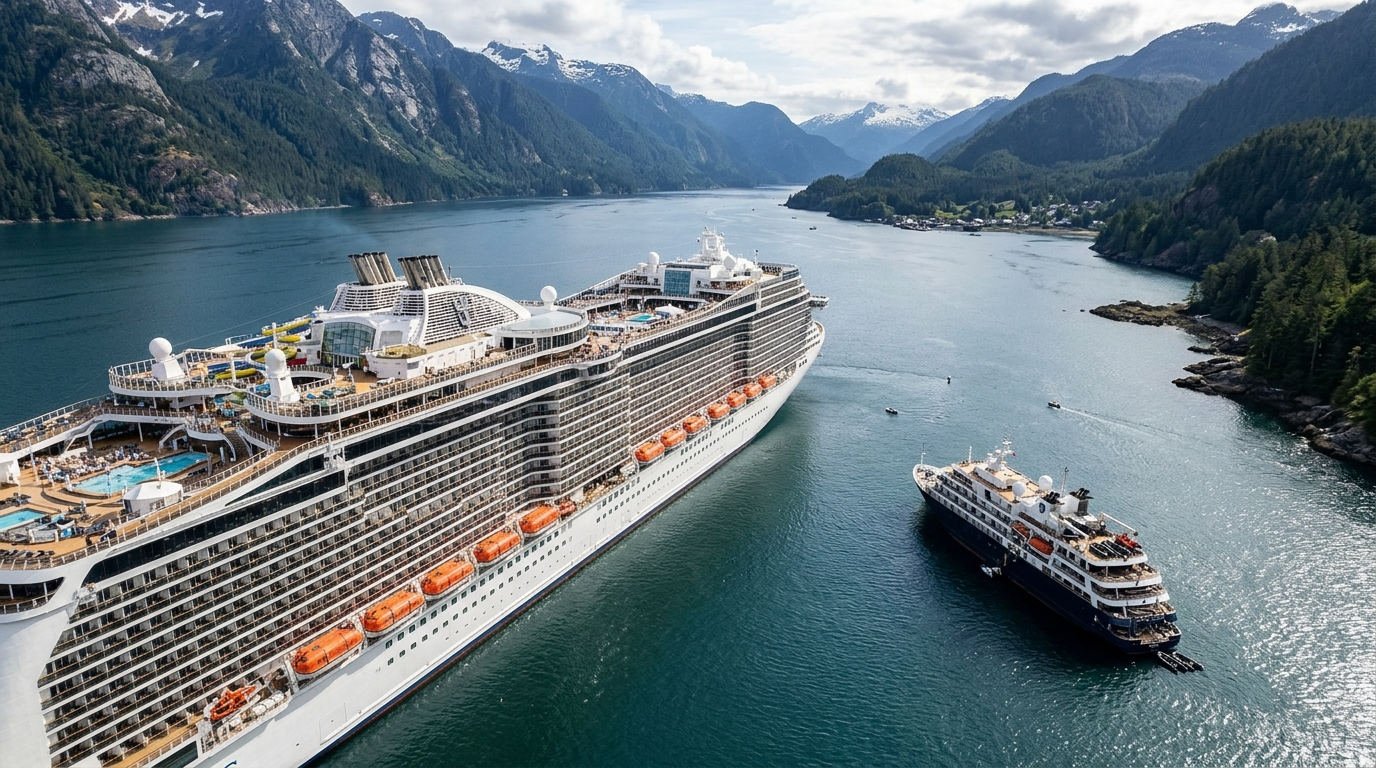
The difference between a mega ship and a small ship goes far beyond passenger capacity. It can affect the pace of breakfast, the distance to your cabin, the destinations you reach, and even how you meet people. Neither category reliably guarantees comfort or value. The practical question is what changes for you between waking up and going to bed.
First, what counts as “big” or “small”?
There is no single universal threshold that divides ships into neat categories. Cruise lines describe size using passenger capacity, gross tonnage—a measure of enclosed volume—and occasionally the number of cabins. A ship with a large tonnage but relatively few passengers may feel spacious; a smaller vessel operating near capacity can feel busy at meal times.
Mega ships generally carry thousands of travelers and function as floating resorts. Smaller ocean ships may carry a few hundred or fewer, though expedition vessels and boutique ships operate quite differently from traditional small ocean liners. Compare the actual ship rather than treating all vessels under a marketing label as equivalent. Two ships with similar passenger counts can deliver remarkably different experiences through layout and programming.
The first surprise: getting from place to place
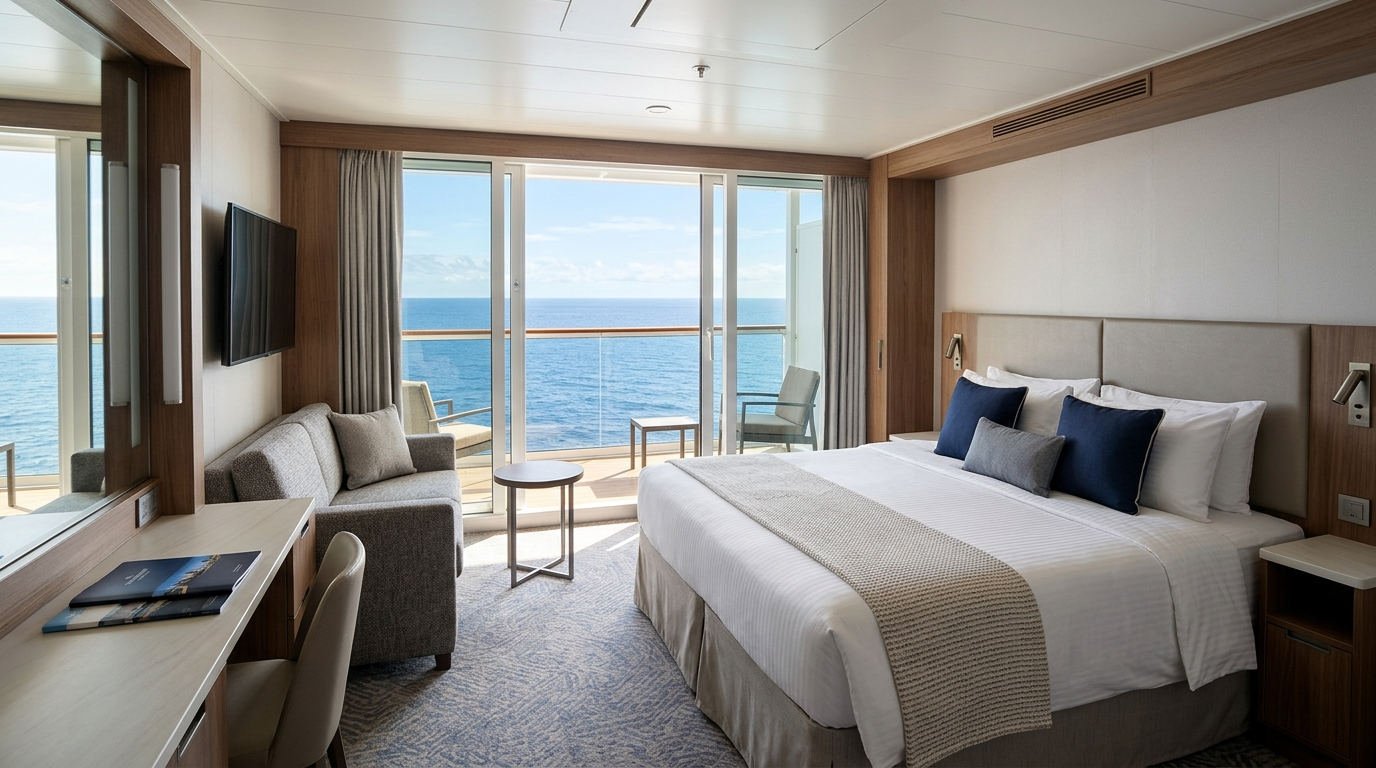
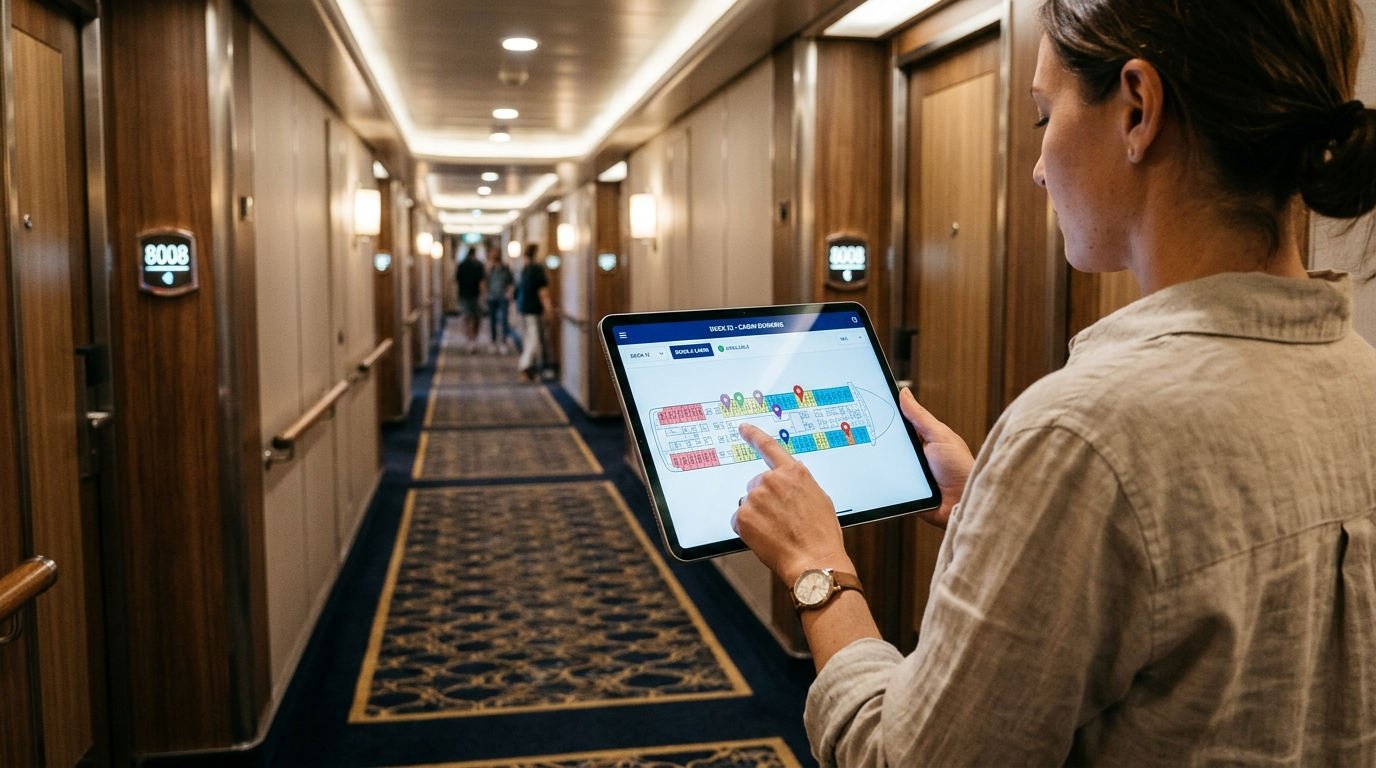
On a mega ship, walking is part of the day. There may be several elevator banks, long cabin corridors, and public neighborhoods spread over many decks. This can be energizing if you enjoy exploring. It can also become tiring after a long shore excursion, particularly when your room and the dining area sit at opposite ends.
Small ships are generally quicker to navigate. Someone who wants to return to the cabin for a sweater or step outside briefly to watch the coastline may find that convenient. But smaller does not automatically mean step-free. Some vessels have limited elevators, narrow thresholds, or small tender platforms. Mobility accessibility must be checked against the individual vessel's layout.
Consider who is traveling. A group with children, grandparents, or different mobility requirements will experience ship distances differently. On a large vessel, choosing the right cabin zone can meaningfully shorten daily journeys. On a smaller one, check whether key facilities and any necessary lifts are on routes everyone can actually use.
Passenger count tells only part of the story; how ship size affects crowding and comfort also explains why layout and scheduling influence how busy a vessel feels.
Dining choices versus dining familiarity
Large ships often offer buffets, casual counters, main dining rooms, specialty restaurants, and snack venues. Choice can keep a long voyage interesting, especially with a group whose food preferences differ. It can also introduce reservation calendars, surcharges, and busy periods. A restaurant advertised prominently may be unavailable for the desired night unless booked ahead.
A small ship may offer fewer dining rooms yet provide a calmer experience, more consistent service, and an easier routine. When the menu changes regularly and the kitchen accommodates preferences well, fewer venues need not feel limiting. Conversely, a traveler who loves hopping between cuisines might miss a broad restaurant scene.
Ask how the ship handles passengers when everyone returns from port. That can be a better predictor of comfort than the number of restaurants. Look at dining hours, included versus extra-cost venues, dietary accommodations, and whether casual alternatives are available after a late excursion.
Entertainment: spectacular range or a focused program
Mega ships may include production shows, water attractions, sports courts, comedy, casinos where permitted, and numerous live music venues. Some headline attractions require advance reservations, age limits, fees, or timed entries. A week can pass without trying everything. That abundance appeals to travelers who appreciate choice and planned activities.
Smaller ships often put greater emphasis on conversation, enrichment lectures, destination talks, small performances, and quieter lounges. Some have excellent live entertainment, but the scale is unlikely to resemble a large theater complex. Guests who need high-energy nightlife every evening may find the selection modest; guests who dislike constant activity may consider that a strength.
Think about the kind of evenings you remember fondly: attending a show, sharing a long meal, listening to music in a small bar, or simply watching lights along the coast. Ship size influences the possibilities, but each line's programming is equally important.
What happens in port?
The strongest argument for a small ship is sometimes the route. Certain smaller vessels can access harbors, tender sites, or waterways unsuitable for large ships because of berth dimensions, draft, environmental rules, or local policies. That may create itineraries focused on less heavily visited places. Yet small vessels do not automatically obtain privileged access, and weather can still interrupt landings.
Large ships typically use major ports built to handle substantial passenger volumes. They may provide robust shore-excursion operations and convenient infrastructure, though several large ships arriving together can make popular waterfront districts busy. Tender queues and terminal transfers should be assessed for each call rather than assumed to be easy or difficult based only on ship size.
Port time matters as much as access. An itinerary that spends ten hours at a main port can be more rewarding than one offering a short call at a smaller destination. Read the actual schedule and consider the travel time from the dock to the attraction you want to see.
Crowd patterns are more complicated than headcount
A mega ship carrying thousands of passengers can feel surprisingly relaxed if activity spaces are distributed well. A small ship with one popular observation lounge may feel crowded during scenic sailing. Passenger-to-space ratios, elevator placement, restaurant capacity, sea-day programming, and how well operations are organized often matter more than the headline number of guests.
Look for pinch points: embarkation, tender departures, breakfast before excursions, popular pool hours, and theater exit times. These moments reveal whether a vessel is comfortable at capacity. Choose cabins away from high-traffic routes if quiet is important, and read multiple reviews that describe specific situations rather than overall star scores alone.
Evening crowd patterns change too. On a large ship, guests disperse among many venues. On a small ship, people may gather in the same lounge and gradually recognize each other. That social familiarity delights some travelers and feels too intimate to others.
Service can be different without being better or worse
A smaller passenger count can make it easier for staff to remember guests' preferences, although staffing ratios and service culture vary. Some luxury small ships include more personalized assistance within the fare. Large ships can also deliver excellent service, but different departments may operate on a more structured schedule.
Do not infer service quality from size alone. Pay attention to how dining issues are handled, how accessible requests are documented, and whether staff offer clear information when plans change. If personalized service is a key reason to book, verify exactly what is offered and included rather than relying on promotional adjectives.
Motion, weather and outdoor space
Ship size can influence how motion is perceived, but sea conditions, hull design, stabilizers, speed, and cabin position are important. Larger ships are not immune to rough weather, and small expedition vessels are often designed for the conditions they encounter. Anyone concerned about seasickness should consider the itinerary and seek medical advice before traveling.
Outdoor space requires close examination. A small ship may have inviting open decks with unobstructed views; a mega ship may offer several pool areas and protected corners. Cold-weather routes reward comfortable indoor viewing lounges, while tropical routes make shade and seating especially valuable. Count usable spaces, not just deck square footage.
Work out the real comparison
Compare two concrete sailings rather than an imaginary large ship with an imaginary small one. Include the cabin category, route, port hours, meals, gratuities, drinks, shore excursions, and transportation. Smaller ships sometimes carry a higher upfront price but bundle more inclusions; larger ships can offer competitive base fares with substantial optional spending.
If you are bringing children, confirm the actual age groups served, hours of supervision, and whether there are enough age-appropriate activities. If the priority is a remote region, compare the vessel's experience, landing rules, and itinerary flexibility. If the trip celebrates an anniversary, think about privacy, restaurants, and the atmosphere you want most evenings.
The choice in one sentence
Choose a mega ship when variety, big-ship attractions, and a resort-style atmosphere are themselves part of the vacation. Choose a smaller ship when ease of movement, a more intimate setting, or a particular destination program matters more than sheer choice. Then verify those promises on the actual vessel: the best category is only useful when it describes the real experience you are booking.
What a week feels like on each scale
Imagine a sea day beginning on a very large vessel. Breakfast might be available at several venues, followed by a reserved attraction, a walk to a quieter adults-only area, and a major theater show. The variety can be invigorating, particularly when different members of a group enjoy different activities. Yet the movement between venues is part of the experience; families with strollers, passengers using mobility aids, and people who tire easily should consider distances and elevators as carefully as the activities themselves.
On a small ship, you may encounter the same passengers in the lounge and dining room, recognize crew members, and make fewer decisions about where to go. That familiarity can feel welcoming, although someone seeking nightlife and constant novelty could find the range limiting. A smaller guest count does not automatically create more space per passenger. Outdoor deck area, dining capacity and lounge design determine whether a vessel feels relaxed when everyone comes inside during poor weather.
Port access offers another meaningful distinction. Some small ships can use docks or anchorages inaccessible to larger vessels, but local depth, environmental restrictions and infrastructure also determine access. A large ship may dock centrally in one city while a smaller vessel tenders in another. Compare the actual port notes and transfer arrangements rather than treating size as a universal advantage.
Your ideal scale may also depend on the voyage's length. A short sailing with several ports leaves little time to exhaust a small ship's offerings. A two-week trip with many sea days can make varied indoor venues especially important. When comparing options, ask how comfortably you could spend an unplanned rainy afternoon onboard. That question often reveals more than a ship's headline passenger capacity.
Identify the trade-offs you will feel
- Note whether you want varied shows and dining or easier navigation and quieter spaces.
- Check port access and tendering for the itinerary you actually want.
- Review the distance from your cabin to key venues and any advance reservations required.