New ships attract attention with new attractions and glossy design. Older vessels can be less visible in search results despite offering appealing itineraries, manageable layouts, and sometimes competitive fares. Age alone is a poor measure of quality. The more useful questions are how the ship has been maintained, what was updated, and whether its particular strengths suit your vacation.
Start by separating age from condition
A ship's build year tells you when it entered service, not what it looks like today. Cruise operators periodically renovate cabins, restaurants, technology, and public spaces. Some refurbishments are extensive; others are mainly cosmetic. A ship promoted as “refreshed” might have received new carpets and furnishings without changing bathrooms, balcony sizes, or the layout.
Find the refurbishment date and, more importantly, the list of work completed. Was the pool deck renovated? Were the stateroom bathrooms updated? Did dining venues change? Were accessibility upgrades made? The answers can matter more than whether the ship is fifteen or twenty years old.
Do not assume newer means trouble-free, either. Every vessel requires maintenance, and new designs can develop their own operational challenges. Look at current, ship-specific feedback and official facility descriptions. A recent maintenance-related change may be more informative than the construction date.
Where older designs can be appealing
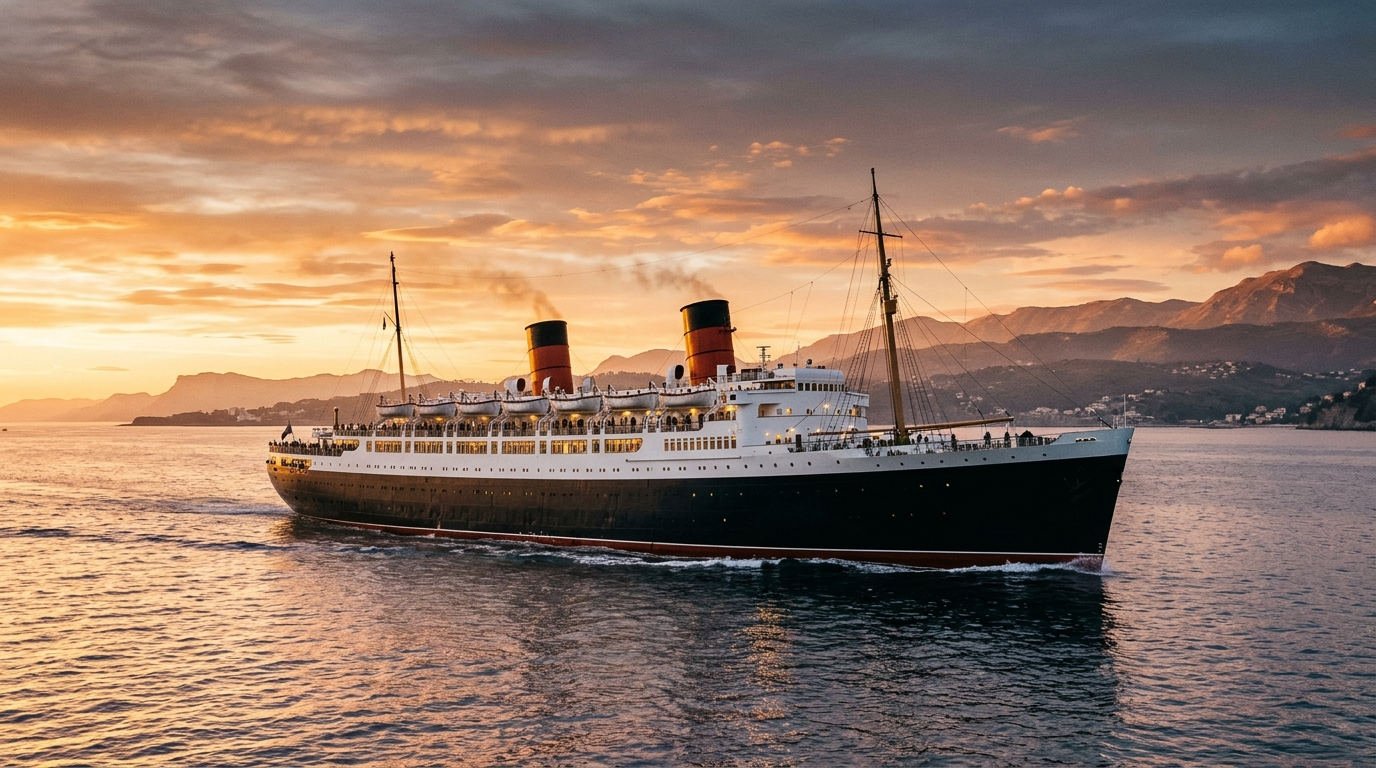
Some earlier generations of ships offer traditional promenade decks, expansive interior lounges, and layouts that feel less focused on headline attractions. Travelers who love sea views, informal conversation, or a straightforward dining routine may prefer those spaces. A classic style can be an advantage when the purpose of a cruise is to travel rather than seek theme-park entertainment.
Older mid-sized ships can also be easier to navigate than very large floating resorts. You may spend less time crossing long corridors and more time settling into a favorite reading spot. This is not true of every older ship; use the actual deck plan to assess distances and public-space options.
Age is only one variable in choosing a ship for your own travel style, where daily comfort and itinerary priorities deserve equal weight.
For guests who enjoy the history and atmosphere of cruising, design details can have character. That appeal should not be confused with guaranteed luxury. Comfortable seating, usable ventilation, suitable elevators, and modern safety arrangements remain practical priorities regardless of nostalgia.
Areas that deserve extra scrutiny
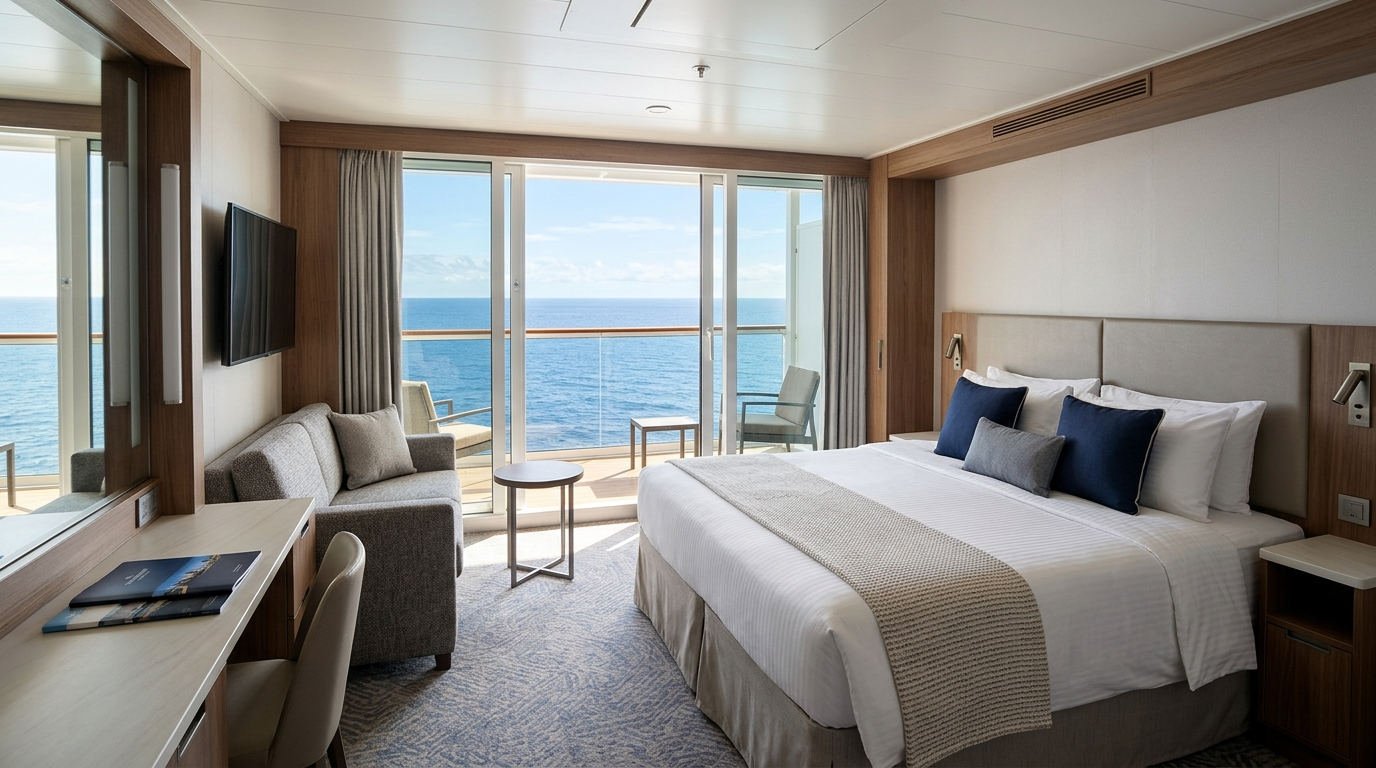
Cabins are often where age is felt most. Bathrooms may be compact, outlets limited, and storage arranged for smaller devices and fewer electronics. Some older rooms lack the USB ports or bedside sockets travelers now expect. Pack compatible charging equipment permitted by the cruise line and check policies on extension cords and power strips.
Sound insulation and mechanical vibration may vary, but design era alone cannot predict them. Locate your cabin relative to service rooms, entertainment spaces, and the engines where relevant. Reviews from the exact room or nearby can offer useful clues, although experiences can differ by sailing.
Accessibility warrants particular care. An older ship may have narrower corridors, fewer accessible staterooms, limited lift access to certain decks, or unusual thresholds. Some vessels have been comprehensively adapted. Confirm the precise requirements you need, including tender access and public bathroom facilities, before making a reservation.
What a refurbishment can—and cannot—change
Updated upholstery, lighting, and menus may make public areas feel contemporary. Rebuilt cabins or added restaurants can create meaningful improvements. Yet fundamental dimensions, deck heights, and ship geometry generally remain. A refresh will not necessarily expand a tiny bathroom or create a new elevator route through the ship.
Ask whether a promised feature exists across the whole vessel or only in selected room grades. If a line advertises “new staterooms,” the actual rooms may be confined to a particular deck. Similarly, a specialty restaurant may have replaced another venue, leaving the overall number of dining choices relatively unchanged.
Photos need dates. A ship's brochure may combine images taken across several renovation periods. Compare current photographs with official deck plans and the line's published list of amenities. A polished promotional photo is useful inspiration but not reliable evidence of every room's condition.
The itinerary advantage can be significant
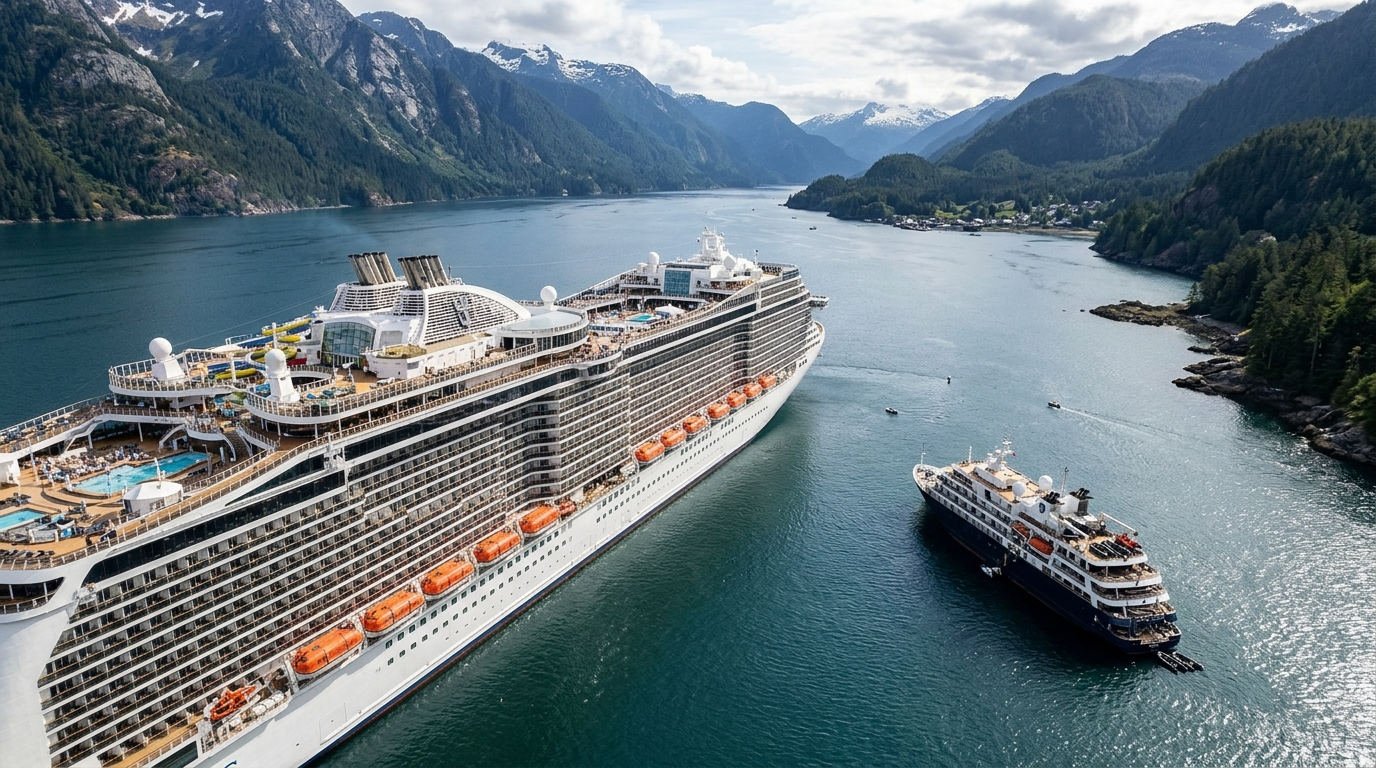
An older ship may be deployed on attractive regional routes where a flashy new vessel would be less suitable or less profitable. Some can reach ports or berths that bigger ships cannot, depending on local infrastructure and vessel characteristics. Others operate familiar major-port circuits with strong destination value.
Read port schedules carefully. Long days ashore, scenic passages, or a convenient departure city can outweigh the absence of one new onboard attraction. If your trip is destination-led, evaluate the ship as part of the route rather than as a standalone resort.
Ports involving tenders may require attention to boarding methods and mobility policies. The number of passengers is only one factor affecting shore access; weather, harbor rules, ship equipment, and excursion arrangements all contribute.
Compare dining, entertainment and the daily pace
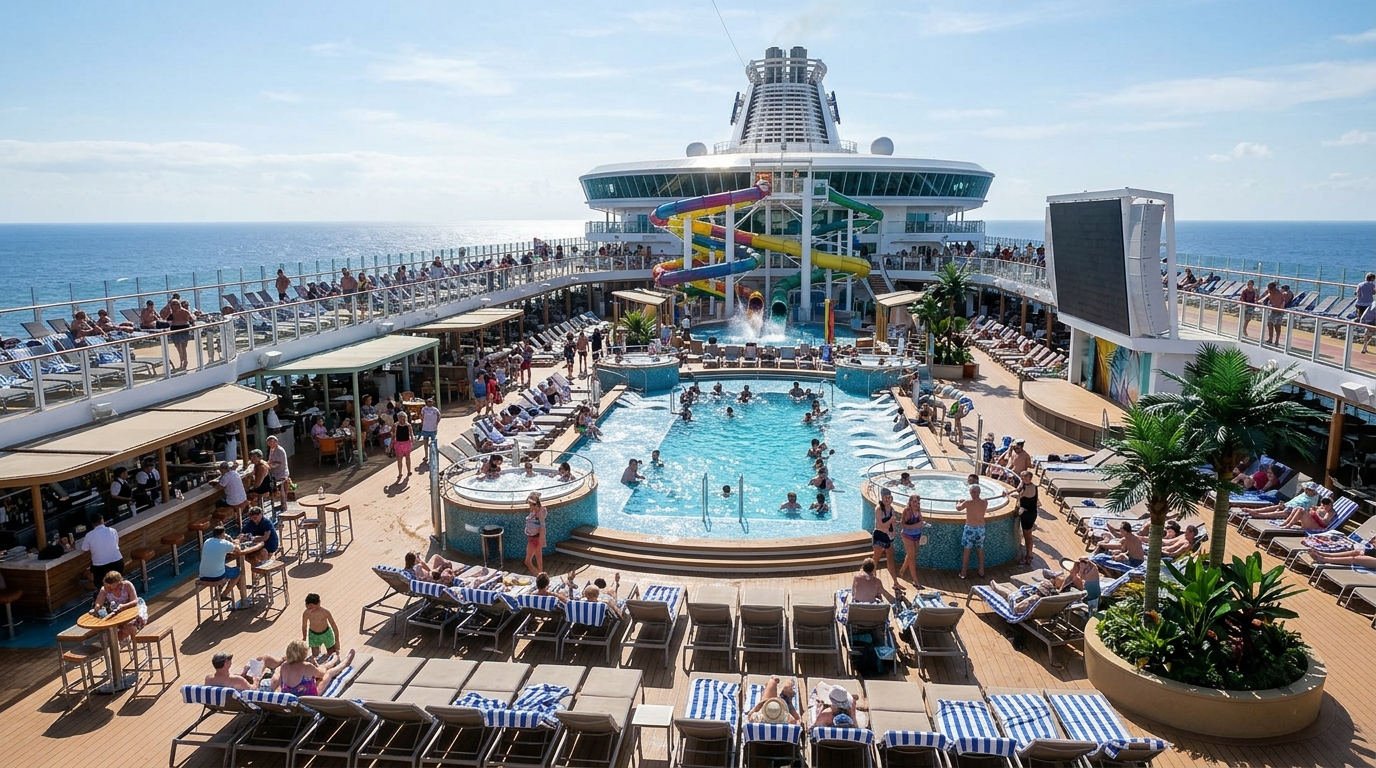
Older ships may have fewer specialty dining venues, waterslides, or elaborate theater technologies. That can simplify a vacation or make it feel limited, depending on your preferences. Investigate the actual menus, included restaurants, and entertainment schedule rather than assuming the atmosphere from the vessel's age.
A guest who wants daily enrichment talks, a comfortable lounge, and live piano music may be very satisfied. A family expecting several children's attractions could be disappointed unless the ship has been specifically outfitted for that market. The current youth program, age policies, and available family amenities should be verified for the individual sailing.
On long sea-day itineraries, inspect indoor leisure facilities carefully. A ship with generous sheltered public space can be more pleasant in bad weather than one with impressive but exposed outdoor attractions. Conversely, a warm-weather sailing may reward extensive deck furniture and shaded areas.
Fare comparisons require an honest total
A lower price can make an older ship attractive, particularly when it frees budget for a better cabin, additional nights, or shore experiences. But check the complete package. The advertised fare may exclude drinks, internet, specialty meals, gratuities, and other extras. A newer ship's package could include different services, making a simple ticket-price comparison misleading.
Compare dates, cabin categories, departure costs, port times, cancellation policies, and relevant add-ons. A cheap fare with inconvenient flights or a very short destination visit is not automatically value. Equally, paying a large premium for a new ship you barely use between excursions may not improve the trip.
If the savings are substantial, decide what they can buy. Perhaps you can move from an inside room to a well-located oceanview or choose a longer itinerary. Those changes may improve your holiday more than a novelty attraction you would use once.
Questions to ask before putting down a deposit
Confirm the vessel name, most recent significant refurbishment, current dining venues, and the services available in your specific cabin category. Examine the deck above and below the room. Ask whether a feature that matters to your group—accessible shower, children's area, fitness facility, or quiet lounge—is currently available on this ship.
Read recent reviews for recurring patterns rather than dramatic outliers. Repeated comments about worn bathrooms or poor air conditioning are worth investigating; one complaint about dated décor may simply reflect taste. Check whether reviews refer to the same ship, since names and sister-ship layouts can be confusing.
When an older ship is the better choice
Choose an older vessel with confidence when its itinerary, public spaces, cabin, and inclusive cost match your needs, and its current condition is well documented. Be more cautious when the trip depends on specialized facilities, strict accessibility features, or cutting-edge attractions that may be absent or limited.
A well-kept older ship is not a consolation prize. For the right traveler, it can be the most sensible way to experience a route—provided you book the ship it is today, not the one depicted in a dated promotional photograph.
Separating signs of age from signs of neglect
Age alone cannot tell you whether an older vessel is worth booking. Soft furnishings may have been replaced, cabin bathrooms upgraded, and dining spaces refreshed over several refurbishments. Conversely, a polished atrium may coexist with cabins that still have limited outlets or awkward storage. Search for recent information about the specific ship and category, rather than relying on the cruise line's average standard across its fleet.
Some practical features are worth investigating. How easy is it to connect devices? Are climate controls straightforward? Do bathrooms have a shower layout that suits your needs? Are elevators plentiful near commonly used venues? The answer to these questions matters more in daily use than whether the ship originally entered service in a particular decade. Older designs may also offer broad promenades, intimate lounges, or proportions that some guests prefer.
Maintenance and safety should not be judged from cosmetic details alone. Cruise ships operate under applicable maritime regulations and inspections, but guests cannot assess technical condition from photographs or social-media speculation. If a vessel has a documented operational incident, seek reliable information and the operator's current response instead of treating rumors as proof. For personal comfort, pay attention to consistently reported problems that recur across multiple recent voyages.
An older ship can be especially attractive when it offers a compelling itinerary at a sensible total price. The key is to understand what has changed, what remains old-fashioned, and what you are willing to trade for value. A quiet, traditional atmosphere might be exactly what you want; limited dining choice might be a dealbreaker. Evaluate the ship for the trip you plan to take.
Research the ship—not just its age
- Find the date and scope of the latest refurbishment, and the ship’s current deck plan.
- Look for recent information on cabin outlets, bathroom layout and common-area accessibility.
- Compare passenger capacity and amenities with newer ships on the same route.