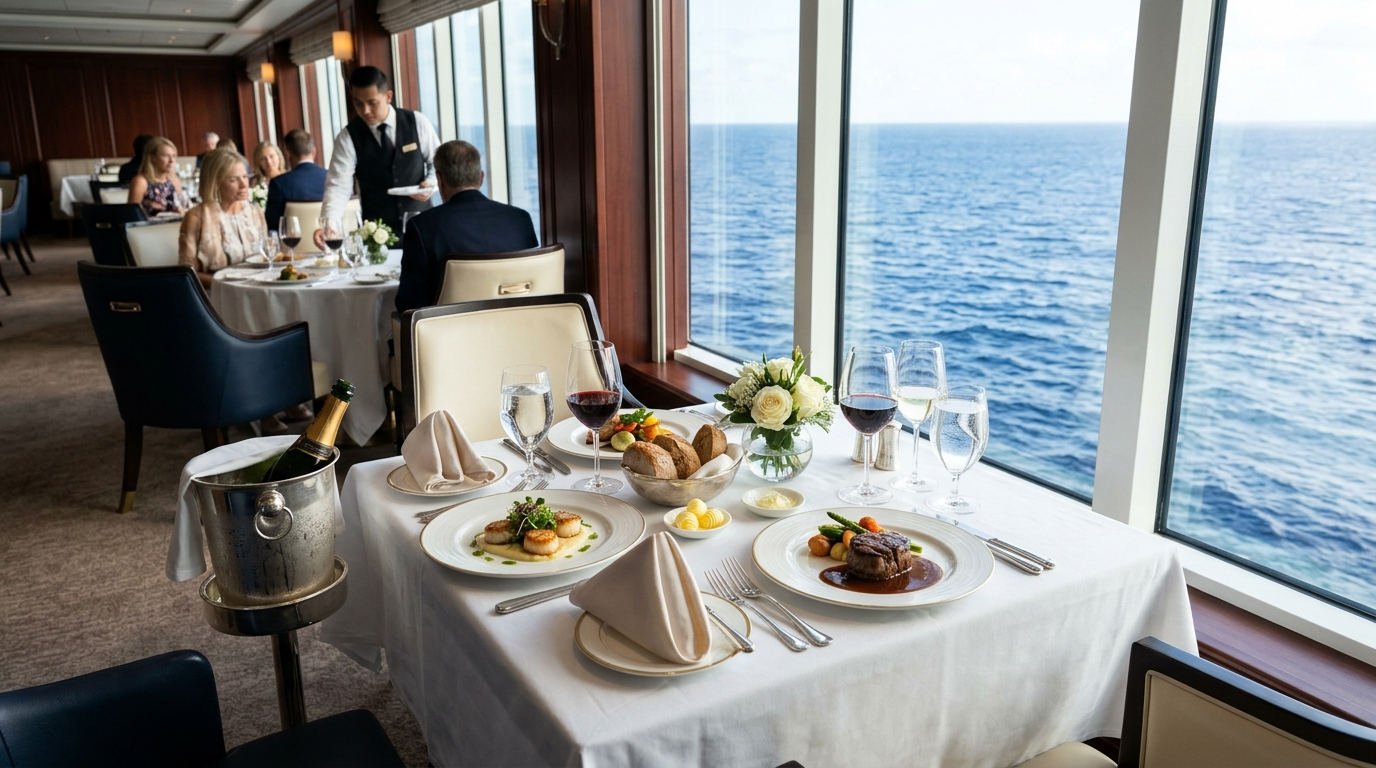

A cruise makes some healthy routines easy and others surprisingly difficult. There are walking decks, fitness rooms, and ready access to meals, but also shared surfaces, late nights, irregular schedules, and tempting ways to spend hours sitting still. You do not need to turn a holiday into a wellness program. A few steady habits can help you enjoy the ship and its ports without feeling exhausted halfway through the voyage.
Hand hygiene is a small action with a large purpose
Passengers share elevators, dining venues, railings, and activity spaces. Wash your hands thoroughly with soap and water after using the restroom and before eating. Hand sanitizer can be useful when washing facilities are not nearby, but it is not equally effective against every gastrointestinal pathogen. Soap-and-water washing remains especially important when stomach illness is circulating.
Notice where handwashing stations and sanitizer dispensers are placed as you move around the ship. Follow instructions from the crew if additional hygiene measures are announced. If you are traveling with children, make handwashing a normal part of transitions into meals rather than a reaction only when someone looks unwell.
Do not share drinking vessels, and use serving utensils appropriately at buffets. These ordinary courtesies protect others as well as yourself. A visibly clean environment is welcome, but it never removes the need for individual hygiene.
When you feel sick, tell the right people
Nausea, fever, respiratory symptoms, or diarrhea during a cruise should not be hidden because you fear missing a restaurant booking or excursion. Notify the ship's medical team according to the operator's procedures, particularly for significant gastrointestinal symptoms or symptoms that worsen. Some illnesses can spread rapidly in communal environments.
The crew may provide specific advice or require temporary restrictions to protect other passengers. Follow that guidance and ask what to do about meals, medication, or companions. Do not assume that every upset stomach is seasickness or that you can diagnose an infection from one symptom.
If motion is your main wellness concern, seasickness prevention and practical relief offers more focused preparation and warning signs.
Seek prompt help for worrying symptoms such as difficulty breathing, chest pain, fainting, severe dehydration, confusion, or persistent high fever. Medical facilities at sea vary and are not equivalent to a large land hospital; serious conditions may require transfer or evacuation. Consider medical and evacuation coverage when purchasing insurance.
Sleep is part of the itinerary
A cabin can be a restful retreat, but late music, corridor traffic, early announcements, and different time zones may interrupt sleep. Before booking, look at the deck plans for noisy public areas near your room. At sea, keep a consistent bedtime when you can, particularly before early port mornings.
Use the curtains to darken the cabin and reduce light from devices. A small night-light can be useful in an interior cabin, but avoid cluttering walkways. People who are sensitive to noise may benefit from suitable earplugs, provided they can still respond to important safety announcements or alarms.
Cruise holidays can encourage an exhausting rhythm: a full excursion, long dinner, theater show, late party, then a sunrise departure. You do not have to attend everything. Reserve some evenings for an earlier sleep, and consider a quiet morning onboard when port visits are optional.
Move without turning every day into a workout
Walking to dining rooms and across decks adds natural movement, especially on a large ship. Yet a sea day can also pass entirely between a lounger, a restaurant, and a theater. A few short strolls, gentle stretching, or a comfortable visit to the gym can help maintain your usual activity level.
Choose activities appropriate to your health, fitness, and environment. Decks may be slippery, windy, or restricted during rough weather. Treadmills and exercise equipment can feel different on a moving vessel, so use handrails and follow crew guidance. An indoor walking route can be safer than insisting on a windy outdoor lap.
If you have limited mobility, regular changes of position and movement that is safe for you may still be valuable. Ask a healthcare professional about suitable activity before travel if you have a condition affecting circulation, balance, or endurance. Do not copy an onboard class simply because it is advertised as suitable for everyone.
Food variety is an advantage when used thoughtfully
Cruise ships may offer buffets, sit-down meals, snacks, and specialty dining within a short walk of the cabin. This abundance can make regular meals easy, but it also invites constant grazing. You can enjoy special dishes without trying every option at every meal. A balanced plate, familiar portion sizes, and pauses between courses often feel better than a rigid set of restrictions.
Food allergies and medically necessary diets deserve advance planning. Contact the cruise line about procedures, then speak with relevant dining staff onboard. Menus and ingredients can change, and cross-contact risks may exist even when an item appears suitable. Do not assume a buffet label guarantees safety for a severe allergy.
Food-safety basics also apply ashore. Drink water from reliable sources, choose foods prepared and stored safely, and consider the local conditions at small roadside stops. A memorable market visit is worthwhile, but a long excursion is not the best time to take risks with unfamiliar food handling.
Hydration in sun, wind and cool climates
Warm tropical ports make thirst obvious, while cold, windy itineraries can hide the need to drink. Bring a refillable bottle if permitted and follow any ship or port rules about refilling and water sources. Drink regularly, especially during outdoor activity or long excursions, while respecting medical advice if your fluid intake is restricted.
Alcohol and heavily caffeinated beverages can complicate sleep and hydration for some passengers. You need not avoid every celebratory drink; simply avoid using them in place of adequate water, food, and rest. If you feel dizzy in intense heat, move to shade and assess whether medical attention is needed.
Sun protection matters even when the air feels cool. Sea reflection, wind, and long periods on open decks can result in unexpected exposure. Use appropriate sunscreen, protective clothing, and shade, and reapply products as directed.
Shared spaces, pools and respiratory etiquette
Follow pool and hot-tub rules, including hygiene instructions and any health-related restrictions. Avoid entering recreational water if you have diarrhea or other symptoms for which the operator advises exclusion. Showering before swimming is a courtesy that also helps maintain shared facilities.
In busy theaters, elevators, and excursion buses, respiratory etiquette matters. Cover coughs and sneezes, clean hands after handling tissues, and consider giving yourself space when crowded indoor areas are uncomfortable. Follow applicable public-health guidance, especially if local or shipboard measures change before your journey.
If you have a higher-risk medical condition, discuss precautions and relevant vaccinations with a qualified professional before travel. Requirements and recommendations depend on itinerary, personal health, and current guidance; no single checklist suits all passengers.
Bring a practical health kit
Pack prescribed medicines in labeled original containers, with enough for travel delays where permitted. Keep essentials in a carry-on instead of checked luggage. Include basic first-aid items, any recommended motion-sickness medicine, sunscreen, and personal supplies you already use safely. Check destination rules for medications that may be restricted.
Bring relevant medical information, copies of prescriptions where useful, and contact details for your insurer. Know how to reach the ship's medical center. If a medical device requires electricity or other accommodation, confirm compatibility and arrangements directly with the cruise line before departure.
Do not rely on being able to buy a specialized medication in the next port. Shops may close, itineraries may change, and available brands can differ from home. Preparation is especially important for regular prescriptions and pediatric needs.
Shore excursions have their own health demands
A shore day may involve heat, cobblestones, boat transfers, long rides, or steep paths even when an excursion is described as easy. Read the activity rating and actual walking distance. Ask about steps, shaded rest breaks, restroom access, and whether the pace suits every member of your group.
Carry water, suitable footwear, and essential medicine. In remote environments, be realistic about how quickly medical assistance could arrive. For wildlife excursions, follow local safety instructions and avoid contact with animals that could bite or transmit illness.
Returning early is not a failure. If someone is feeling unwell or overheated, reduce the schedule rather than forcing an activity to justify its cost. A relaxed afternoon onboard may preserve the enjoyment of the next day's port.
Design a healthy rhythm, not a strict regime
Before departure, identify two or three routines that help you feel good: a consistent sleep window, washing hands before meals, a daily walk, or drinking water before heading ashore. Keep the habits simple enough to survive a schedule change. Add rest between long excursions and choose an occasional quiet evening.
Health at sea is partly personal and partly shared. Caring for yourself helps you participate in the voyage; respecting hygiene and illness guidance helps fellow passengers and crew. Thoughtful preparation and sensible habits are more useful than trying to perform a perfect wellness routine while on holiday.
Keep simple health habits realistic
- Wash hands thoroughly before eating and after the restroom, especially around shared facilities.
- Tell the ship medical team promptly about vomiting or diarrhoea.
- Build sleep, hydration and gentle movement into long sea days.